





Nigeria’s economy is exhibiting early signs of stabilisation, with the Central Bank of Nigeria projecting stronger growth and easing inflation for 2026. The apex bank forecasts GDP growth of 4.49 per cent, average inflation of 12.94 per cent, and external reserves climbing to $51.04 bn, driven by structural and monetary reforms. The CBN expects these measures, along with higher oil production, fiscal restructuring, and improved market discipline, to recalibrate the economy and foster a more competitive and resilient growth trajectory, SAMI TUNJI reports
Nigeria’s economy appears to be entering a phase of renewed stability, with the Central Bank of Nigeria projecting stronger growth and lower inflation in 2026, driven by key structural and monetary reforms. In its latest macroeconomic outlook, the CBN forecast that Gross Domestic Product will grow by 4.49 per cent this year, while inflation is expected to moderate to an average of 12.94 per cent. The bank also expects external reserves to rise to $51.04bn, while the cost of lending is projected to decline as monetary conditions gradually loosen.
These forecasts are rooted in the bank’s confidence that foreign exchange reforms, improved oil output, fiscal restructuring and stronger market discipline will underpin economic stability. The apex bank believes that its broader policy reforms will support a stronger, more globally competitive domestic economy. The past year has already been described as one marked by global uncertainty, domestic recalibration and institutional rebuilding, yet the authorities insist that clarity and policy purpose are gradually resetting the economy.
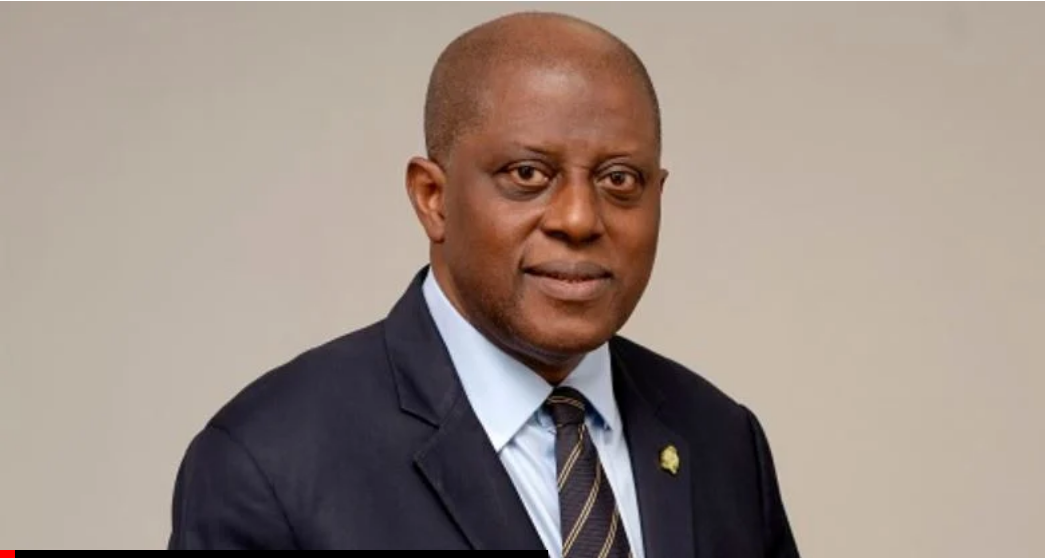
The CBN Governor, Olayemi Cardoso, recently reflected on the progress so far, saying the institution had worked deliberately to restore credibility, transparency and policy alignment. Speaking at the 59th annual Bankers Dinner organised by the Chartered Institute of Bankers of Nigeria, Cardoso said, “I am pleased to report meaningful progress on all three fronts, even as we remain fully aware of the work ahead. Our actions continue to reflect the policy direction we articulated from the outset; in other words, we said what we would do, and we have done it, transparently and consistently.
The CBN has consistently pushed policies targeted at moderating inflation, boosting output growth, building up foreign reserves, and improving earnings from non-oil exports. The CBN expects reserves to reach $51.04bn, up from $45.01bn in 2025 and $40.19bn in 2024. The bank said this expected improvement would be driven by better crude output, improved local refining, higher remittances, and increased capital inflows. Supporting this view, analysts at United Capital Research have expressed optimism that Nigeria’s external reserves will continue their steady ascent, buoyed by stronger oil export receipts, robust diaspora remittances, and a favourable trade balance.
“With the reserves position strengthening, the CBN will have greater flexibility to sustain its interventionist approach in the FX market. This, in turn, should help to maintain relative stability in the naira across both official and parallel markets,” analysts at Cowry Assets said in a recent weekly market report.