


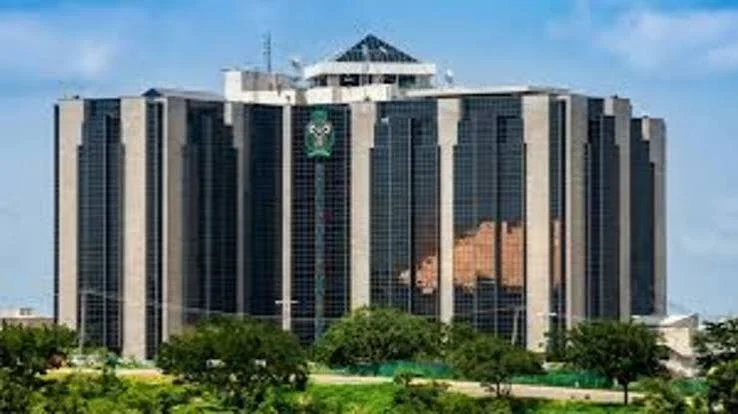


Central Bank of Nigeria is set to play a central role in a new regulatory framework aimed at bringing the country’s fast-growing cryptocurrency and virtual asset market under coordinated oversight, marking a shift from years of uncertainty toward structured supervision.
The move follows the Federal Government’s introduction of the Presidential Executive Order on Virtual Assets Coordination, 2026, which established a framework to harmonise oversight of digital assets and improve coordination among financial, revenue and capital market regulators.
At the recent Nigeria Stablecoin Summit 2.0 in Lagos, officials said the CBN, the Nigeria Revenue Service, the Securities and Exchange Commission, and other government institutions were working toward creating a more predictable environment for cryptocurrency businesses, stablecoin operators and virtual asset service providers.
Deputy Director and Tax Controller of the Non-Resident Persons Tax Office at the NRS, Oni Olushola, said the government’s approach had shifted from restriction to regulation as it seeks to capture economic value from the digital asset ecosystem.
“The new Presidential Executive Order on Virtual Assets Coordination, 2026, establishing a unified regulatory framework for cryptocurrencies and digital assets by creating the Virtual Asset Council chaired by the CBN, will help us all to better understand how the crypto business runs and protect all the parties involved,” Olushola said.
The Executive Order establishes a coordination mechanism involving key institutions, including the CBN and SEC, in response to concerns over fragmented oversight of an expanding virtual asset market,What the President has done is to ensure that the virtual asset sector is stable,” Olushola noted. “It’s obvious that we have different agencies with laws guiding crypto in the country, and it’s tedious to comply and inimical to business growth.”
He added that regulators were not seeking to block innovation but create a framework that balances growth, consumer protection and government revenue objectives.
“It’s a better day for stablecoins. It’s a new dawn. Now, no regulation or regulatory agency is stopping you. We are just working to create an acceptable and unified framework,” he remarked.
Nigeria has become one of Africa’s largest markets for cryptocurrency adoption, driven by demand for alternative payment channels, remittances and access to foreign currency-linked digital assets.
Stablecoins, which are cryptocurrencies designed to maintain a stable value by being linked to assets such as the US dollar, have gained attention among fintech companies and businesses seeking faster cross-border settlement solutions.
The Africa Stablecoin Network, organiser of the summit, said the event focused on the role of stablecoins in payments, banking innovation and financial infrastructure across Africa.