



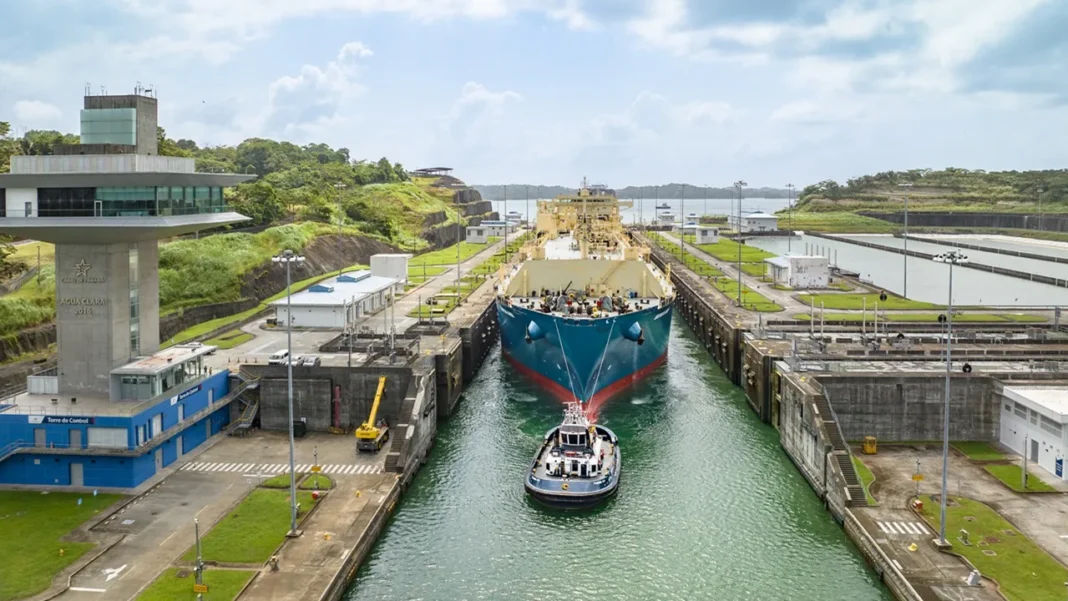


Recurring drought and falling water levels are becoming a structural supply chain risk as restrictions on major waterways cut vessel capacity and push cargo onto already stretched alternative transport networks, TT Club has warned.
The transport and logistics insurer said companies reliant on inland waterways need to plan for prolonged periods of restricted navigation rather than treating low water as an exceptional event.Low river levels can force barges to sail part-loaded, restrict access to sections of waterways and increase delays and freight costs, with the effects spreading into connected ports, warehouses and land transport networks“Inland waterways remain an essential component of efficient, lower-emission freight transport. However, the assumption that these corridors will always provide a dependable alternative to road and rail must now be challenged,” said TT Club risk assessment manager Neil Dalus.
Drought should no longer be considered a rare environmental issue. It is a business continuity risk with the potential to affect vessel capacity, route availability, port operations and the wider transport network. The question for operators is not whether low-water conditions will occur, but whether they have the visibility, flexibility and contingency arrangements required to manage them.”
The warning comes as low rainfall once again restricts capacity at the Panama Canal, one of the clearest examples of water availability becoming a constraint on global shipping.
The Panama Canal Authority cut the number of available daily transit slots from around 38 to 34 from 3 September, with a further reduction to 32 due from 15 September after rainfall in the canal watershed fell below expectations. The Panama Canal Authority’s new administrator, Ilya Espino de Marotta said the canal’s Rio Indio water supply project is her top priority.
Draught limits remain in place at the Panama Canal, although the authority this week postponed a planned October reduction after Gatun Lake levels proved better than forecast. The maximum authorised draught for vessels using the Neopanamax locks remains at 14.63 metres Tropical Fresh Water
The canal suffered much more severe disruption during the 2023-24 drought, when restrictions reduced daily transits from the normal level of around 38 to as few as 22 and forced ships to reduce cargo intake.
Similar problems have repeatedly affected European inland transport. Low water on the Rhine has forced barges to cut loads and increased demand for road and rail capacity, adding pressure to hinterland connections serving major ports including Rotterdam and Antwerp-Bruges