



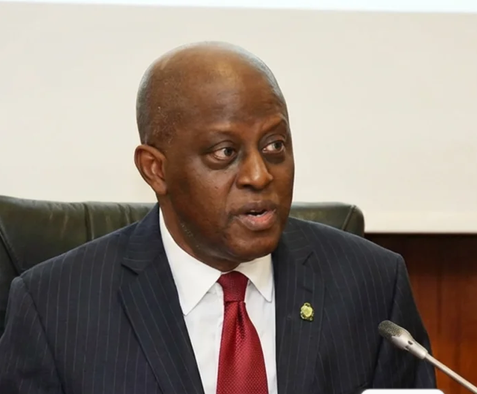


Three years after Olayemi Cardoso assumed office as Governor of the Central Bank of Nigeria, the apex bank has recorded measurable gains in foreign reserves, currency-market transparency and financial-sector stability. But expensive credit, a weaker naira and the slow transmission of improving macroeconomic indicators to businesses and households show that the reform programme is still a work in progress, SAMI TUNJI writes
When Olayemi Cardoso took charge of the Central Bank of Nigeria on September 22, 2023, the institution was confronting overlapping crises.
Headline inflation stood at 26.72 per cent, the Monetary Policy Rate was 18.75 per cent, and gross external reserves were about $33.2bn. The official exchange rate was around N770 to the dollar, but limited liquidity meant many businesses could not obtain foreign currency at that price.
The bank also faced more than $7bn in unsettled foreign exchange obligations, an expanding development-finance portfolio and weakened confidence in monetary management.
Cardoso’s response was built around a return to conventional central banking. The CBN scaled back development financing, tightened monetary conditions, reduced discretionary foreign exchange allocation and raised capital requirements for banks.
Three years later, the picture has improved considerably, although high costs remain. Reserves have climbed above $55bn, the foreign exchange market has become more transparent, banks have raised trillions of naira in fresh capital, and inflationary pressures have moderated.
But interest rates remain high, the naira is substantially weaker than in 2023, and households continue to bear the accumulated effects of earlier increases in food, transport, energy and housing costs.