



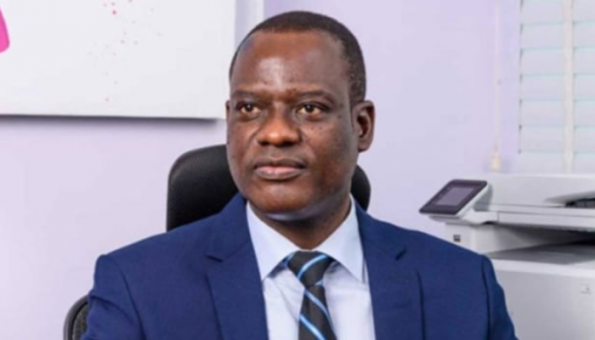


Coordinating Minister of the Economy and Minister of Finance, Taiwo Oyedele, said Nigeria has moved beyond the phase of restoring macroeconomic stability and must now focus on translating economic reforms into inclusive growth, higher productivity, and shared prosperity.
Delivering the keynote address at the 14th BusinessDay CEO Forum in Lagos on Thursday, Oyedele said the administration’s bold economic reforms had begun yielding positive results despite global uncertainties, stressing that the next challenge was ensuring that the gains were felt by businesses, workers, and ordinary Nigerians.
Speaking on the forum’s theme, ‘From Stability to Shared Prosperity’, the minister said Nigeria had reached a defining moment in its economic journey, where difficult but necessary reforms must now create jobs, attract investments, and improve living standards.He said the country’s national conversation had shifted from whether reforms could restore stability to how that stability could be converted into sustainable and inclusive prosperity.
Finance minister unveils roadmap to $1tn economy to convert that hard-earned stability into prosperity that businesses can invest in, workers can earn from, and families can feel in tangible ways,” he said.
Oyedele explained that every successful economic transformation follows three distinct phases: stabilisation, growth, and shared prosperity.
According to him, stabilisation involves correcting structural distortions, rebuilding confidence, and restoring fiscal credibility, while growth is driven by increased investment, productivity, and job creation. The final phase, he said, ensures that economic growth improves living standards, expands opportunities, and reduces poverty.
He recalled that when the Tinubu administration assumed office, Nigeria faced multiple structural challenges, including a fragmented foreign exchange market, an unsustainable fuel subsidy regime, weak public finances, and a tax system that discouraged investment while generating insufficient revenue.
“We inherited an economy weighed down by structural distortions. We were taxing poverty, taxing capital, and taxing jobs while raising very little revenue. We had two options: postpone the difficult decisions or confront them. President Bola Tinubu chose reform because it was economically necessary,” he said.
The minister said reforms such as the unification of the foreign exchange market, fiscal restructuring, and efforts to rebuild external reserves had restored macroeconomic stability and renewed investor confidence.
Despite geopolitical tensions and uncertainties in the global economy, Oyedele noted that Nigeria had recorded encouraging economic indicators.
He said inflation had resumed a downward trend after temporary disruptions caused by global events, while external reserves continued to improve and international investors were gradually returning to the country.