


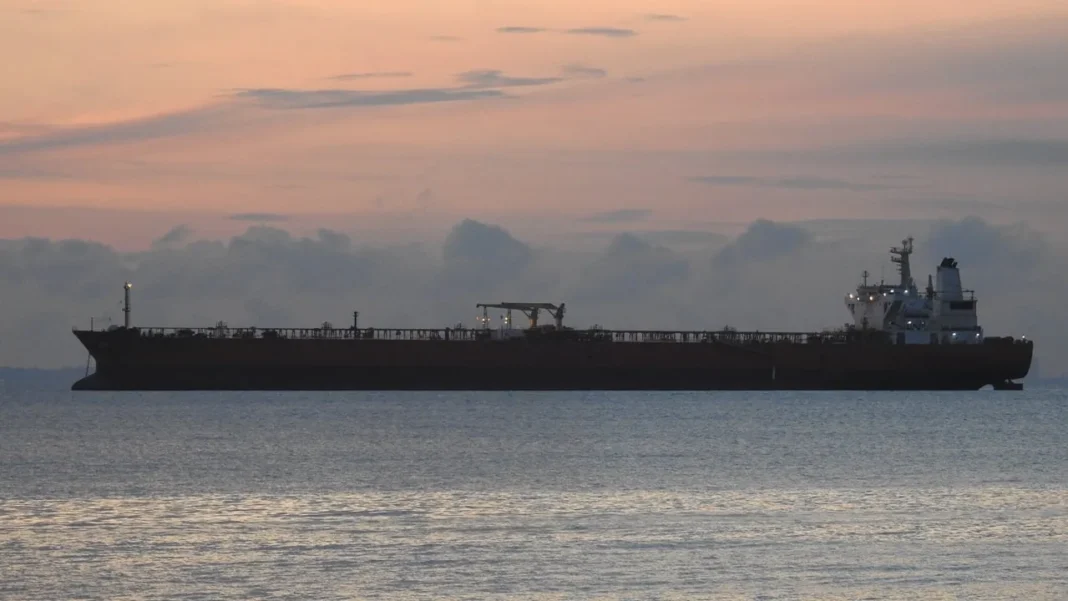


Following the collapse of the ‘ceasefire’ that never was, there have been virtually no transits of the perilous stretch of water over the last few days. More seafarers have died, vessels have sunk, and others have caught fire as the situation in the Strait deteriorates further.
Energy analysts are warning that unless transits through the waterway resume very soon, the world is heading for a full-blown energy crisis, possibly within weeks. Without a resumption of Gulf exports, dwindling oil inventories, already at their lowest levels since 2003, will finally run out, they warn.
Urgent workaround strategies are now a priority but none will bring immediate relief and, in the short run, moves to boost crude exports via the Red Sea now appear less likely. According to reports from Reuters, US attacks on Iran’s power plants has resulted in calls on Yemen’s Houthis to close the Bab al-Mandeb Strait linking the Red Sea with the Sea of Aden and the wider Indian Ocean.
In the medium term, plans to build new pipelines and boost the capacity of existing facilities are now on fast-track. In a report last week, investment bank Goldman Sachs revealed that there is currently about 6.9 million bpd of export pipeline capacity bypassing the Gulf.
This is a critical development for tanker owners because it marks the beginning of a permanent shift in key oil trades. It will affect dirty trades to east and west, VLCC and Suezmax trades, but it has implications for clean trades too. Several of the pipeline projects under expansion or development will be capable of pumping diesel, gasoline, and aviation fuel.
Projects already in progress include Saudi Arabia’s East-West Pipeline to Yanbu on the Red Sea, the UAE’s ADCOP facility to export terminals in Fujairah in the Gulf of Oman, and the Iraq line from Kirkuk to Ceyhan in the Gulf of Iskenderun on Turkey’s Mediterranean coast.
Goldman Sachs believes that these expansion projects, combined with new capacity under construction, could boost pre-war Gulf exports by 3.8 million bpd by the end of 2027, and 7.3 million bpd a year later – 45% and 60% respectively. If a more heavily resourced pipeline construction drive were put in place, as much as 75% of exports might bypass the waterway by the end of 2028.
In a base case, the Goldman Sachs analysis indicates that four of the seven projects that it examined are likely to be completed and in operation, and another will be working at partial load by that time. Two of the three proposed extensions to Iraq’s Basra-Haditha facility are also likely to have been commissioned.
Wars and sanctions hasten construction times, the bank said, noting that when oil exports become a strategic priority, governments move faster to approve, fund, and make engineering resources available. Cross-border pipelines invariably take longer, however, because they require complex legal agreements and detailed coordination.
Tanker owners and their charterers are likely to be studying the Goldman Sachs analysis carefully. One inevitable outcome of the conflict is that the Strait of Hormuz will become a less critical stretch of water in the years ahead.