

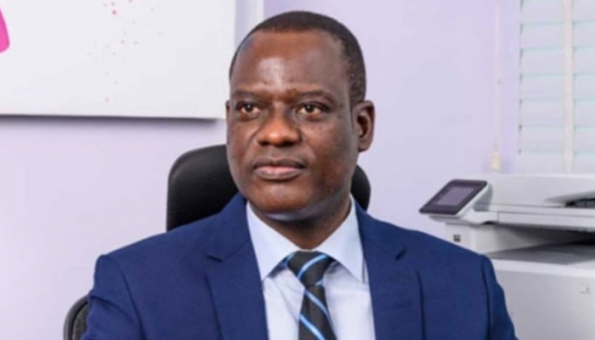


The Federal Government spent N9.39tn on minimum wage increases, salary adjustments and other allowances for public workers between June 2023 and December 2025, the Minister of Finance and Coordinating Minister of the Economy, Taiwo Oyedele, has said.
The amount was higher than the Federal Government’s share of the savings generated from the removal of the petrol subsidy during the 31-month period.
Oyedele disclosed this at a media conference on Nigeria’s reform scorecard, titled, “The Benefits, Costs and Harm Prevented,” aired on Channels TV on Wednesday.
The revelation offers a new perspective on the debate over the proceeds of subsidy removal, showing that the Federal Government’s additional spending on workers was higher than the N5.4tn it received as its share of the N15.8tn in resources mobilised for the Federation through subsidy removal and foreign exchange reforms.
Oyedele said, “That money did not sit idle. It partly funded incremental expenses. For that same period, the incremental expenses of the Federal Government alone, not the Federation, was N30.64tn.
“Of these, N9.39tn went to wage adjustments, minimum wage increases, and allowances for public salaries.
“I think this is a point that should be of interest to everyone. The incremental amount that the Federal Government spends paying higher wages is more than the entire savings that the Federal Government earned from subsidy removal.”
The minister said another N9.37tn was spent on servicing external debt, largely because of the naira’s depreciation, which increased the domestic currency cost of meeting dollar-denominated obligations.
“So, if we’re paying 1bn, but instead of N460, it’s now N1,415. That’s more naira than we need to incur,” Oyedele explained.
He added, “When you have debt service to pay, you don’t negotiate, you don’t delay, you pay, because delay or default has consequences.”