


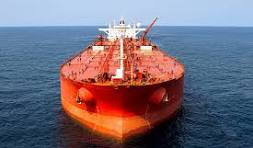


Lagos has received five vessels carrying petrol and diesel amid growing concerns about the stability of Nigeria’s fuel supply.
The PUNCH reports that the vessels carried a total of 95,000 metric tonnes of Premium Motor Spirit (petrol) and Automotive Gas Oil (diesel), arriving at the Apapa and Tincan Island ports within two days.
This is according to the latest Nigerian Ports Authority’s Daily Shipping Position obtained by The PUNCH on Monday. The report indicated that the vessels arrived between Friday, March 27, 2026, and Sunday, March 29, 2026.
The report explained that a vessel named Hudson arrived at the New Oil Jetty in Apapa on Friday, March 27, with 22,000 metric tonnes of AGO
According to the report, “A vessel named Kingis will be arriving with 15,000MT of PMS via Lister Oil Jetty in Apapa Port on Friday. Another vessel, Leste, arrived at Apapa Port through the Bulk Oil Plant Terminal with 20,000mts of diesel on Saturday.
“At Tincan Island Port, a vessel named Savanna arrived through Kirikiri Lighter Terminal Phase 3 on Friday, March 27, 2026, with 16,000MT of PMS, while a vessel named Kobe arrived through KLT Phase 2 with 22,000MT of AGO on Sunday,” the report stated.
The PUNCH earlier reported that the Federal Government had lifted its ban on fuel imports, granting six new licences for the importation of petrol, following concerns over supply amid geopolitical tensions in the Middle East. The move marked a sharp reversal of Nigeria’s recent policy aimed at reducing dependence on imported fuel.
Some oil marketers confirmed to The PUNCH that vessels bringing in their products were coming into Nigeria. According to them, more trucks would return to the Apapa ports after weeks of seeming inactivity.
A report by S&P Global obtained on Wednesday revealed that the NMDPRA granted licences for the importation of about 180,000 metric tonnes of petrol, coming barely weeks after the regulator insisted that domestic refining capacity was sufficient to meet Nigeria’s fuel demand.
A senior official at the NMDPRA confirmed to S&P Global that the decision was taken to address a sudden supply gap triggered by geopolitical tensions in the Middle East.