




Maritime stakeholders have renewed calls for Africa to take ownership of its economic, professional and regulatory future, urging governments to stop relying on external platforms that often marginalise the continent’s priorities.
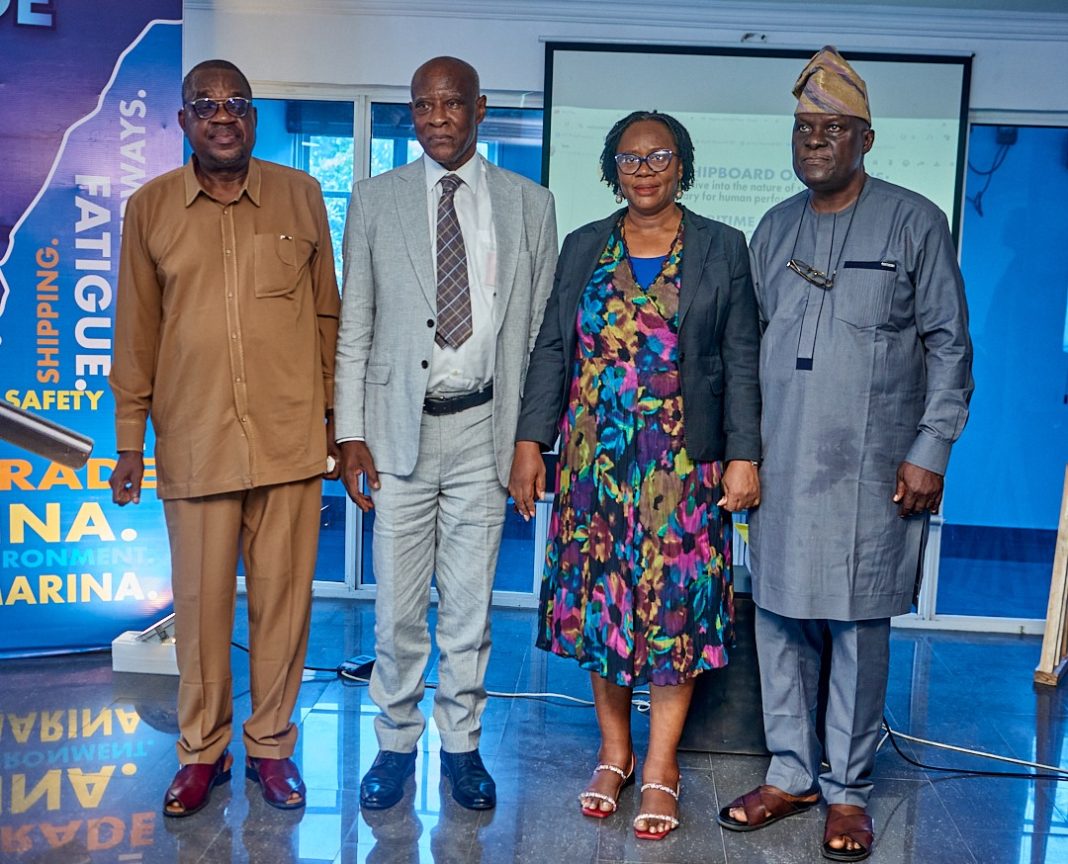
The call was made on Wednesday at a high-level Mariners Forum Conversation held at the Waterside Centre, Lagos, where the Chairman of the Centre and former Minister of Interior, Capt. Emmanuel Iheanacho, stressed the need for Africa-driven platforms to tackle long-standing challenges in public health, poverty, trade and professional development.
Iheanacho, who also chairs Integrated Oil and Gas, criticised the tendency to hold major policy conversations on African issues in distant global locations, arguing that such forums rarely reflect the continent’s realities. He maintained that Africa possesses the capacity to host its own discussions and translate them into enforceable policies.
According to him, meaningful progress will only come when dialogue moves beyond talk to action, insisting that domestic platforms are best positioned to drive sustainable change. He noted that African professionals had, for decades, been denied opportunities for open and robust debate on issues affecting their livelihoods, adding that emerging regional initiatives now provide space for frank engagement on maritime and economic matters.
In his presentation titled “The Integrated Future of Support for Professionals,” Iheanacho highlighted widening skills gaps in a global shipping industry being reshaped by digitalisation, automation and advanced connectivity. He explained that modern vessels are increasingly equipped with sensors, artificial intelligence and Internet of Things (IoT) systems, paving the way for unmanned or remotely operated ships.
This transformation, he said, requires a new skill set from seafarers, including digital competence, data analysis, mastery of automated systems, environmental and regulatory knowledge, smart device operations, as well as strong communication and leadership abilities. He added that environmental protection now demands near-scientific understanding, with obsolete practices such as waste dumping and untreated ballast water discharge no longer acceptable under international regulations.