



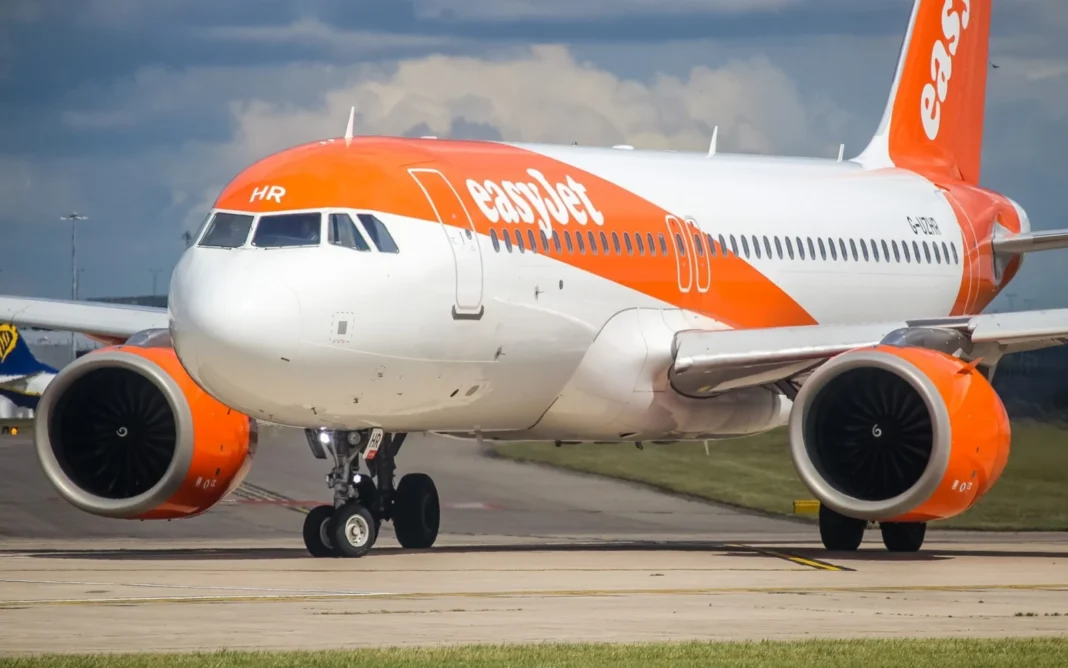


easyJet has been garnering news headlines recently, in the wake of the low-cost carrier gaining the attention of two US companies for a possible takeover.
Just as it seemed that Castlelake was crossing the finishing line in acquiring easyJet, a rival offer from US private equity firm Apollo blew the situation wide open.
As it stands, Apollo has made what appears to be a superior proposal, but Castlelake still has time to come back with an increased offer.In his latest article for AeroTime, the Founder and Chairman of the Board of Directors of Avia Solutions Group, Gediminas Ziemelis, offers his thoughts on how easyJet could benefit from a more flexible fleet model in the future and why this could be a watershed moment for European LCCs (below).
The appeal of easyJet as an acquisition target is rooted in the potential inefficiency of how it and many of its peers own and manage their fleets. ACMI (wet leasing) can be a key vehicle in aiding a future owner’s, easyJet’s and other European LCCs’ search for net profitability.
easyJet is currently subject to a possible offer process. No firm offer has yet been announced, and the analysis below reflects an independent ASG scenario rather than any announced intention of easyJet or a potential bidder
By capitalizing on the inherent seasonality of European travel, ASG analysis indicates that, on the assumptions used, the airline could divest 73 of its owned aircraft, potentially generating approximately $2.3 billion in gross disposal proceeds before transaction costs, taxes, debt repayment and other implementation costs.
Fundamentally, the headline case is that capital tied up in winter aircraft acts as a drag on return on invested capital. Maintaining a large fleet that easyJet owns and long-term leases year-round, despite significant seasonal drops in demand, is an inefficient use of capital