




Nigeria’s aviation industry will come under scrutiny in Lagos on Thursday as policymakers, regulators, airlines, airport managers, investors and other stakeholders converge for the 30th Annual Conference of the League of Airport and Aviation Correspondents to discuss the sector’s sustainability.
The conference, scheduled for Thursday, will focus on one of the sector’s most difficult questions: how government can generate needed revenue without placing such a heavy financial burden on aviation businesses that their ability to survive, expand and provide affordable services is compromised.
This was contained in a statement by the event committee on Tuesday.
The theme of the conference, “Towards a Sustainable Aviation Industry: Balancing Government Revenue Demands with Sector Growth,” reflects growing anxiety across the industry over the cost of doing business and the sustainability of aviation operations in Nigeria.
The statement noted that, for airlines and other operators, the challenge is not merely about paying government charges. It is about the cumulative effect of aviation fuel costs, multiple levies, foreign exchange difficulties, expensive aircraft acquisition and maintenance, airport-related charges and other operating expenses that ultimately find their way into the cost of air travel.
The conference committee said the discussions were coming at a crucial time when the sector was undergoing reforms and infrastructure development, stressing that government revenue policies must be balanced with the need to keep the industry attractive to investors and viable for operators.
“At a time when the Nigerian aviation sector is undergoing significant reforms and infrastructure development, stakeholders believe that achieving a sustainable industry requires a careful balance between revenue generation by government and the creation of an enabling environment for investment, business growth and consumer affordability,” the committee said.
The conference committee then said the convergence of stakeholders is therefore expected to examine how government can increase revenue from aviation while avoiding policies that could weaken operators, discourage investment or make air travel increasingly unaffordable for ordinary Nigerians.
The committee further said, beyond revenue, participants are expected to confront several long-standing problems that continue to shape the fortunes of the industry, including inadequate airport infrastructure, regulatory effectiveness, aviation fuel supply and pricing, access to foreign exchange, aircraft acquisition and maintenance, and the burden of multiple charges.
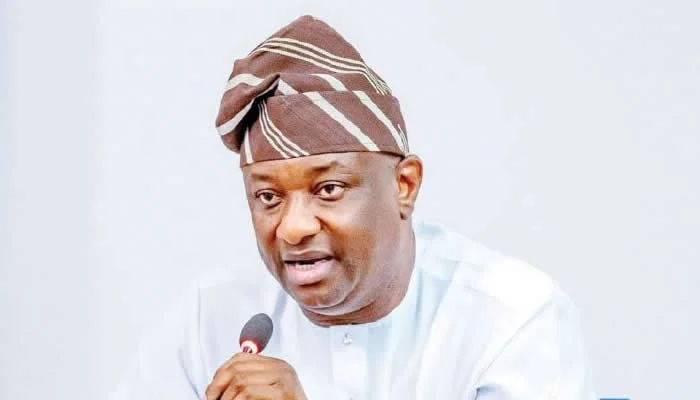
The committee hinted that the Minister of Aviation and Aerospace Development, Festus Keyamo, government officials, regulators, airline operators, airport managers, financial institutions, labour unions, investors and aviation professionals have confirmed their presence at the event.